
Common Marketing Myths That Actually Hurt Local Businesses
 Marketing from a local perspective in the online space is essential for local businesses, but it can also feel confusing. With countless platforms, trends, growth hacks and conflicting advice available online, it is easy to believe that successful marketing requires a huge budget, a large social media following or constant advertising.
The reality is very different.
For most local businesses, effective marketing is about being visible to the right people, building trust and making it easy for potential customers to choose you. Unfortunately, several common marketing myths can get in the way.
Here are some of the most common misconceptions that negatively impact local businesses:
“You need a huge marketing budget to compete”
Large companies may have substantial advertising budgets, but local businesses do not necessarily need to outspend their competitors.
A smaller business can compete by being more relevant and more focused. Instead of trying to reach everyone, concentrate your marketing on the people most likely to become customers in your area.
Local search, useful website content, customer reviews, email marketing, referrals and community involvement can all generate results without requiring a massive budget.
The goal is not to spend the most. It is to make your marketing spend work harder.
“Everyone needs to be on every social media platform”
Trying to maintain a presence on Facebook, Instagram, TikTok, LinkedIn, X and every new platform can quickly become a full-time job.
More platforms do not automatically mean more customers.
Think about where your target customers actually spend their time. A local restaurant may benefit from visual content on Instagram, while a business-to-business service provider may find LinkedIn more valuable. A tradesperson may generate more enquiries through local search and recommendations than through social media at all.
Choose the channels that make sense for your customers and your business. Being consistently useful on two platforms is usually better than being inactive on six.
“Having a website is enough”
A website is important, but simply having one does not guarantee that customers will find it or contact you.
Your website needs to answer the questions potential customers are asking. What do you offer? Where do you operate? Why should someone choose you? How can they contact you? What do existing customers say about you?
It should also work well on mobile devices, load quickly and make taking the next step straightforward.
Your website is not just an online brochure. It should be a tool that turns interest into enquiries, bookings, visits or sales.
“SEO is only for big companies”
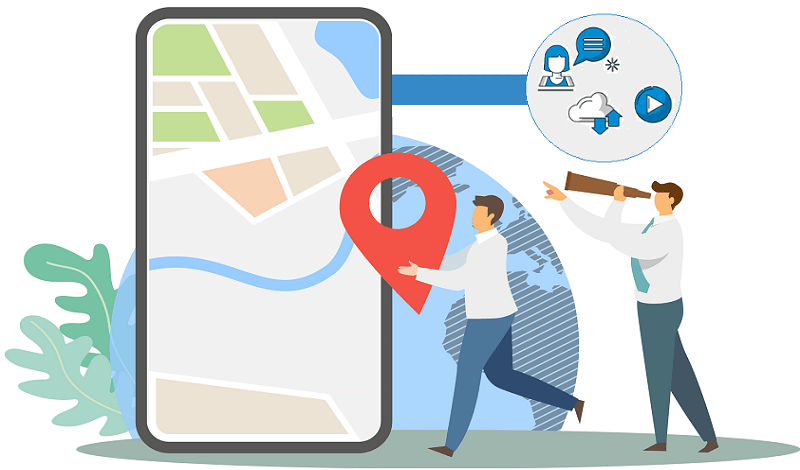
Search engine optimisation can seem complicated, but local businesses can benefit enormously from it.
When someone searches online for a service nearby, appearing prominently in the results can put your business in front of people who are already looking for what you provide.
Local SEO can include keeping your business information accurate online, creating useful location-specific content, earning genuine customer reviews and ensuring your website clearly communicates your services and service areas.
You do not necessarily need to compete for broad, highly competitive keywords. Sometimes ranking well for specific local searches can bring much more valuable traffic.
“More followers means more customers”
A large social media following can look impressive, but follower numbers are not the same as revenue.
A local business with 500 highly relevant followers may generate more enquiries than one with 20,000 followers scattered across the country.
Instead of obsessing over likes and follower counts, pay attention to meaningful results. Are people visiting your website? Calling your business? Sending enquiries? Booking appointments? Visiting your premises?
Marketing metrics should ultimately help you understand whether your efforts are contributing to business growth.
“You should constantly offer discounts”
Discounting can attract attention, but relying on discounts too heavily can train customers to wait for the next offer.
It can also make it harder to communicate the real value of your products or services.
Rather than competing purely on price, consider what makes your business worth choosing. That could be expertise, convenience, quality, personal service, speed, reliability or specialist knowledge.
Promotions have their place, but your entire marketing strategy should not depend on being the cheapest option.
“Advertising doesn’t work for local businesses”
Poorly targeted advertising may waste money. That does not mean advertising itself is ineffective.
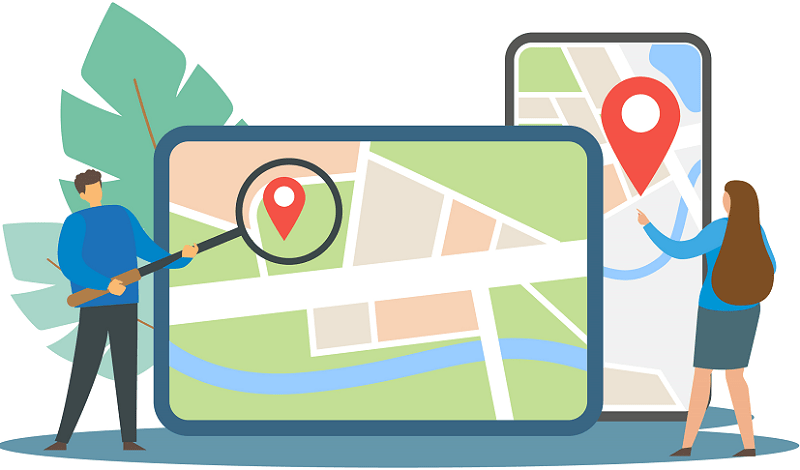
Local businesses can use online advertising to target specific locations, customer groups and interests. The key is to start with a clear objective and track the results.
For example, you might advertise a particular service to people within a defined area rather than simply promoting your business to everyone.
Start small, test your message and measure what happens. If something works, invest more. If it does not, change it rather than continuing to spend blindly.
“Marketing should produce instant results”
Some marketing activities can generate quick results, but many of the most valuable forms of marketing take time.
Building search visibility, developing a strong reputation, collecting reviews, growing an email list and becoming recognised within your community are long-term processes.
This is why consistency matters.
A local business that regularly provides useful information, responds to customers, maintains a strong online presence and encourages positive reviews is building an asset that can continue producing results over time.
“Good marketing means talking about your business all the time”
Customers are interested in what your business can do for them – not simply in hearing how great your business is.
Instead of constantly promoting yourself, create content that helps potential customers solve problems and make decisions.
A plumber could explain how to spot an early plumbing problem. A restaurant could share information about its ingredients or answer common dietary questions. An accountant could explain a confusing financial topic in simple language.
Helpful content demonstrates expertise while giving potential customers a reason to remember your business.
“Marketing is finished once you get a customer”
One of the biggest missed opportunities for local businesses is ignoring existing customers.
Someone who has already bought from you has demonstrated that they trust your business. Providing an excellent experience can turn that customer into a repeat buyer, reviewer and source of referrals.
Follow-up emails, loyalty programmes, review requests, useful updates and simple referral incentives can help strengthen those relationships.
Acquiring a new customer is only one part of marketing. Keeping good customers, encouraging them to come back, and using them as a magnet to attract new leads can be just as valuable.
There is no universal marketing strategy that works for every local business. What succeeds for a hair salon may not work for a solicitor, and what works for a restaurant may be completely unsuitable for a building company.
The most effective approach is to understand your customers, choose appropriate channels, communicate your value clearly and measure the results.
You do not need to follow every marketing trend. You need to find the activities that consistently help your business get discovered, trusted and chosen.
By avoiding these common marketing myths, local businesses can spend less time chasing vanity metrics and more time investing in marketing that actually supports sustainable growth. If you need professional help, learn more about our services.